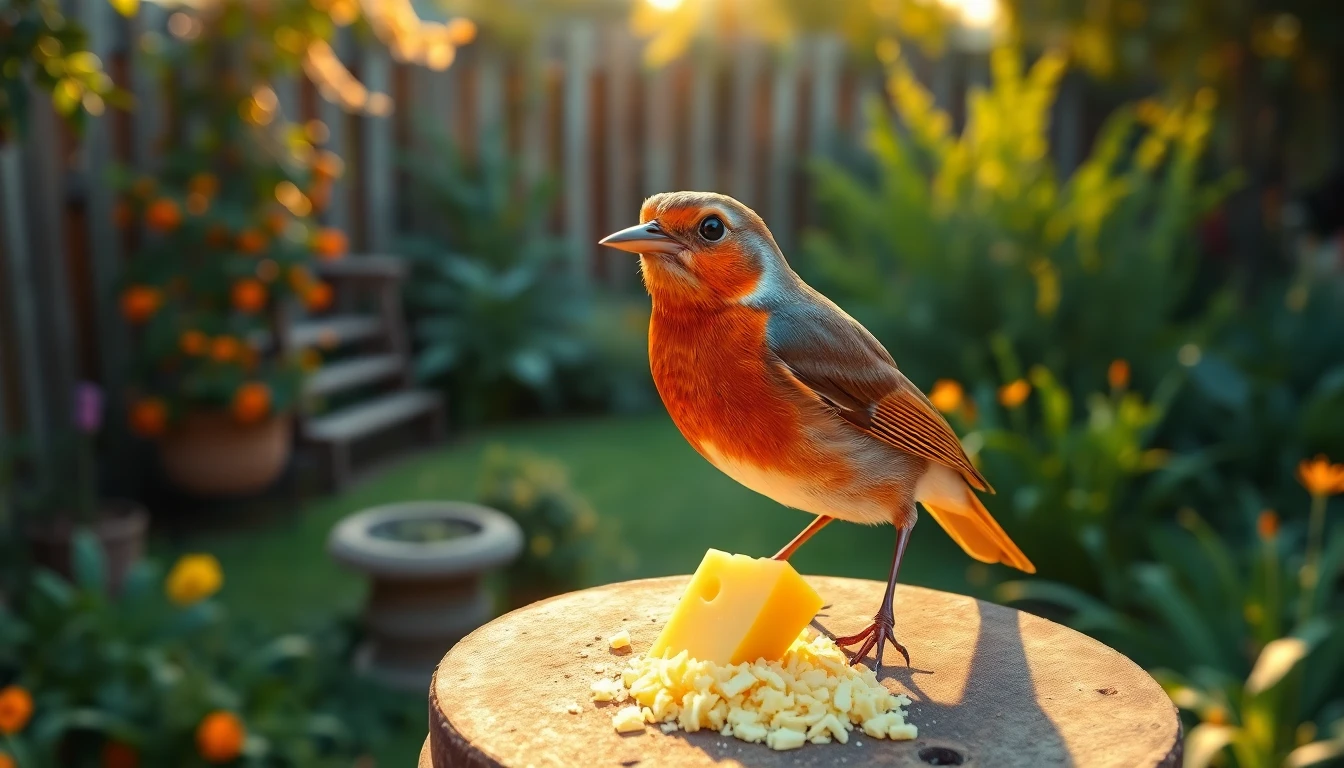
As winter blankets the landscape, feeding birds becomes a routine for many. But what if there’s an overlooked habit that could be just as crucial for their survival?
Picture this: outside your window, a flock of sparrows pecks at seeds scattered on the snow. It’s a familiar scene, one that warms the heart and feels like a small act of kindness. Yet, amid the cheerful ritual of providing food, many bird lovers overlook a vital component of avian survival — the importance of maintaining their natural habitats and consistent shelter.
It’s easy to get caught up in the seasonal routine of filling feeders or leaving bread crumbs, but the real secret to supporting wild birds during harsh winters lies in understanding their needs beyond just food. What if the key to helping them survive isn’t just about the treats we give but about the habits we nurture — habits that support their entire ecosystem?
Table of Contents
Why do we focus so much on feeding, but forget other crucial habits?

Feeding birds in winter has become almost a cultural tradition. Watching their tiny bodies scramble for seeds and suet is satisfying, and it feels like doing our part. However, this act, while beneficial, is often a band-aid on a much larger wound. The truth is, birds face multiple challenges during winter: freezing temperatures, scarce natural food sources, and limited shelter options.
Many bird enthusiasts are aware that providing food is helpful, but they might not realize how vital other habits are — like preserving natural cover, ensuring access to water, and creating safe nesting sites. Ironically, if these elements are neglected, even the best-fed birds may struggle to survive the coldest months.
What if the real question isn’t just about what we feed them, but how we help them maintain their natural behaviors and habitats? The answer requires a shift in perspective — from reactive feeding to proactive habitat preservation.
The overlooked role of natural shelter and habitat in winter survival

Natural shelter isn’t just cozy; it’s essential. Birds depend on dense shrubs, tree cavities, and leaf litter to escape the biting cold and protect themselves from predators. During winter, these habitats become their lifelines, offering refuge where they can conserve energy and survive the brutal conditions.
Many of us forget or unintentionally remove these habitats through over-trimming trees, removing fallen leaves, or clearing bushes. In urban and suburban areas, natural cover is often replaced with stark lawns or bare trees, making it harder for birds to find safe hiding spots.
Research shows that birds conserve energy by hiding in thick shrubbery or cavities during the coldest parts of the day. Without these natural sanctuaries, they are forced to expend more energy to keep warm, which depletes their vital fat reserves faster.
How maintaining natural habitats can be a game-changer
Instead of just scattering seeds, consider the broader picture: creating a bird-friendly environment around your home. Plant native shrubs and trees that provide dense cover and nesting sites. Leave fallen leaves and dead wood where possible — they serve as insulation and homes for many species.
This approach doesn’t require extensive effort. Even small changes, like maintaining a corner of your yard as a natural refuge, can significantly increase survival rates for local birds during winter.
Moreover, preserving natural habitat aligns with ecological principles — supporting biodiversity, controlling pests, and maintaining healthy ecosystems. It’s a win-win for nature and us.
The importance of access to water during winter
Another often-overlooked factor is water. While food is vital, dehydration can be a silent killer in winter. Frozen ponds and birdbaths are common, and many don’t realize that birds need access to liquid water for digestion and hydration.
Setting up a heated birdbath or breaking thin ice regularly ensures birds can hydrate. This simple habit can prevent dehydration, which weakens their immune system and makes them more vulnerable to disease and cold stress.
Think of water as the unsung hero of bird survival — often neglected but critically important. A small investment in a heated or easily accessible water source can make a profound difference.
How human habits can unintentionally harm winter bird survival
It’s worth reflecting on common habits that might hinder bird survival. Over-pruning trees and shrubs can eliminate crucial shelter. Using pesticides reduces the insect populations that many birds rely on for protein. Removing leaf litter disrupts nesting and insulation.
In some cases, our desire for tidiness backfires, leaving birds with fewer safe spaces. Recognizing these unintended consequences is key to becoming a truly bird-friendly gardener or neighbor.
Adopting a more tolerant approach — leaving some leaf litter, planting native species, and avoiding chemicals — benefits not just birds but the entire local environment.
Related articles to deepen your understanding
➡️ Tierheimwelpe findet seine neue Familie während eines Yoga-Kurses
➡️ Nicht erschrecken: Morgen schrillen ungefragt Millionen Handys in Deutschland
➡️ Mars 2026: la CRA versera 2 000 $ aux aînés et aux personnes à faible revenu
➡️ Nuevos requisitos para cobrar la pensión en 2026: documento actualizado necesario
Final thoughts: nurturing a bird-friendly approach for a resilient winter
Supporting winter survival in birds is more than just a seasonal gesture — it’s a commitment to understanding their complex needs. By broadening our perspective to include habitat preservation, water access, and gentle ecological practices, we become active participants in their resilience.
In the end, it’s about creating a world where birds can thrive, not just survive. Small habits — like leaving some shrubbery untouched or ensuring a fresh water source — can have a ripple effect, fostering ecosystems that are healthier and more vibrant year-round.
So, as you prepare your winter bird-friendly spaces, remember: it’s not only about the seeds on your porch but also about fostering the natural habits that sustain them. After all, isn’t that the real act of kindness?
| Key Point | Detail | Benefit/Interest for Reader |
|---|---|---|
| Natural Shelter | Preserve shrubs, leave leaf litter, avoid over-pruning | Provides safe refuge for birds in winter |
| Access to Water | Use heated birdbaths or break ice regularly | Prevents dehydration and supports digestion |
| Habitat Preservation | Plant native trees and leave natural cover intact | Supports biodiversity and ecosystem health |
| Reduced Chemical Use | Avoid pesticides and herbicides in your yard | Ensures insect populations and bird food sources remain healthy |
| Habitat-Friendly Practices | Limit pruning and leave debris | Creates a resilient environment for winter survival |
FAQ :
- Why is habitat preservation more important than just feeding birds in winter?Food alone isn’t enough; birds need shelter and water to survive the cold months effectively. Preserving natural habitats offers them safety and resources they can’t find elsewhere.
- How can I make my yard more bird-friendly during winter?Plant native shrubs and trees, leave some leaf litter, maintain a clean, unfrozen water source, and avoid chemicals that harm insects or disturb bird habitats.
- Is leaving leaf litter safe for my garden? Absolutely. It provides insulation and habitat for insects and birds, enhancing your garden’s ecological health.
- What’s the easiest way to help birds find shelter? Maintain dense shrubs and leave fallen branches or leaves in designated areas to serve as natural hideouts.
- Can I do this if I live in an urban environment? Yes — even small patches of natural cover and simple water stations can significantly improve local bird survival rates.