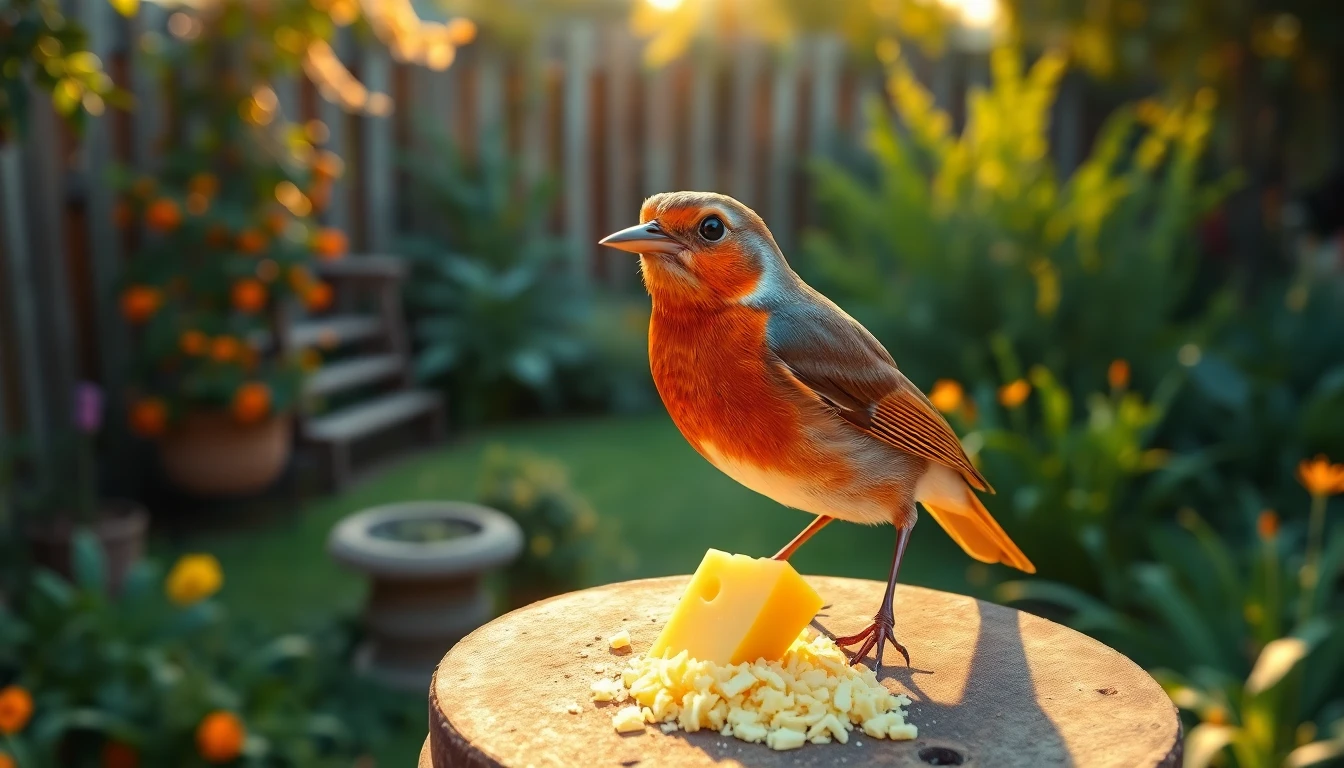
Imagine waking up and hearing the cheerful chirping of robins, eagerly fluttering around your garden. But what if a tiny, overlooked kitchen ingredient could make all the difference for these birds’ survival?
Robins are among the most beloved garden visitors, especially during the colder months when they brave the chilly weather in search of food. Yet, many of us don’t realize that a simple, everyday kitchen staple might be exactly what these little creatures need to stay healthy and energetic. The RSPCA has recently issued a compelling call to action: if you have robins frequenting your garden, putting out a common kitchen item could be a game-changer.
As someone who’s often puzzled by the unpredictable behavior of garden birds or frustrated when their populations decline, discovering small, practical ways to support wildlife feels both empowering and reassuring. And the best part? It involves something so simple you probably already have it in your pantry. Curious? Let’s explore how a humble kitchen staple can have a surprisingly profound impact on robins and other garden birds.
Table of Contents
What’s the unexpected secret the RSPCA recommends?

It might sound too straightforward to be true, but the RSPCA encourages anyone with robins in their garden to put out a bit of grated cheese. Yes, cheese — that staple of breakfast and snack time. They’ve found that this modest addition to your bird feeding routine can provide essential nutrients often missing from their diet, especially during scarce winter months.
While many bird enthusiasts stick to seeds, breadcrumbs, or fat balls, cheese offers a different set of nutrients, including calcium, protein, and fats. These are crucial for robins, especially when natural food sources are limited. It’s a simple hack that can make a noticeable difference in their energy levels and overall health.
What if the problem isn’t just the diet itself but the timing? During winter, robins need more than just calories — they need resilience against the cold, immune support, and a boost to their vitality. Providing cheese is a small but powerful way to support these needs without any complicated setup or costly equipment.
Why do robins need extra help in winter?

Robins are resilient creatures, but their survival heavily depends on accessible, nutritious food sources. During the colder months, natural food sources such as insects, berries, and worms become scarce or buried beneath snow and ice. This scarcity forces robins to rely more heavily on the food we provide in our gardens.
Without adequate nutrition, robins can become weak, less active, and more susceptible to illness. Their tiny bodies can’t store much fat, so they need consistent, nutrient-rich food to sustain them through the winter. That’s where a simple addition like grated cheese can be a real lifesaver.
It’s not just about feeding; it’s about understanding the ecological challenges these birds face. By offering cheese, you’re filling a nutritional gap and giving robins a better chance to survive and even thrive until spring.
What makes cheese so beneficial for robins?

Cheese is rich in fats and proteins, which are essential for maintaining energy and body heat during cold weather. It also contains calcium, vital for bone health and egg production — important for breeding season. The sodium in cheese can also help regulate electrolyte balance, especially when birds are dehydrated or stressed.
Of course, not all cheeses are suitable. The RSPCA recommends plain, unsalted, and unprocessed cheese, avoiding any with added herbs, spices, or mold. Think of it as a treat, rather than a staple, offered in moderation alongside seeds and other feeders.
And here’s a practical tip — grate the cheese into tiny pieces to make it easier for small beaks to handle. Placing it on a flat surface or atop a small dish can prevent it from falling to the ground and getting soggy or fouled by dirt and debris.
How to incorporate cheese into your garden feeding routine
Getting started is easy and doesn’t require much effort or expense. Here’s a simple step-by-step guide:
- Choose plain, unsalted cheese like mild cheddar or mozzarella.
- Grate a small amount — about a teaspoon per feeding session.
- Place the grated cheese on a flat, stable surface in your garden or on a dedicated bird table.
- Combine with other food sources like seeds, mealworms, or fat balls to diversify their diet.
- Replace the cheese daily to keep it fresh and appealing.
- Monitor your birds’ reactions and adjust quantities as needed.
And remember: less is more. A little cheese goes a long way, and overfeeding can sometimes attract unwanted pests or lead to dependency. The goal is to supplement, not replace, their natural foraging habits.
Interested in more ways to support garden birds? Check out these related articles:
“Offering small amounts of cheese provides necessary fats and proteins that are often missing from winter diets — and it can make a real difference,” explains ornithologist Dr. Emily Hart.
Key tips for supporting robins with minimal effort
- Use plain, unsalted cheese in small quantities.
- Combine cheese with traditional bird food for balanced nutrition.
- Place cheese on a flat, stable surface away from predators.
- Change the cheese regularly to prevent spoilage and keep it appealing.
- Observe your birds to see how they respond and adapt accordingly.
- Incorporate other natural food sources, like berries or insects, when available.
Reflecting on our role in wildlife survival
Supporting garden birds isn’t just about filling feeders — it’s about recognizing our impact on local ecosystems and doing our part to nurture them. Small actions, like offering grated cheese, may seem insignificant. Yet, they can cumulatively contribute to healthier bird populations and more vibrant gardens.
As we become more aware of the delicate balance in nature, we can choose simple, sustainable ways to help. It’s not about creating a perfect habitat overnight but about small, consistent efforts that acknowledge the resilience of wildlife—and our shared responsibility to protect it.
So next time you’re in the kitchen, consider grating a bit of cheese. Your garden robins might just thank you with a bright song and a little more spring in their step.
| Key Point | Detail | Benefit/Interest for Reader |
|---|---|---|
| Simple support | Offer grated cheese to robins during winter | Enhances bird health with minimal effort |
| Nutritional value | Rich in fats, proteins, and calcium | Boosts energy and resilience |
| Easy to implement | Place grated cheese on a stable surface | Quick and affordable wildlife aid |
| Complementary feeding | Combine with seeds and mealworms | Provides a balanced diet |
| Environmental impact | Supports local biodiversity | Encourages thriving garden ecosystems |
FAQ :
- Is cheese safe for all garden birds? Cheese is generally safe for robins and many small birds when offered in moderation. Avoid processed, flavored, or moldy varieties.
- Can I feed cheese year-round? While beneficial in winter, cheese is a supplement. During other seasons, natural foraging is preferable, but occasional treats are fine.
- How much cheese should I offer? A small teaspoon grated per feeding is enough. Overfeeding can attract pests or cause dependency.
- Are there any risks to offering cheese? If not fresh or if moldy, cheese can be harmful. Always use fresh, plain cheese and remove any leftovers promptly.
- What other foods complement cheese? Seeds, mealworms, suet, and berries create a well-rounded diet for garden birds.